These Xeon D-1581 integrated board+CPU combos have started popping up again, and the reason is simple: the price looks extremely tempting.
The selling points are easy to recognize:
16cores and32threads- motherboard and CPU together
- multiple NICs
PCIe- a price that looks unusually low
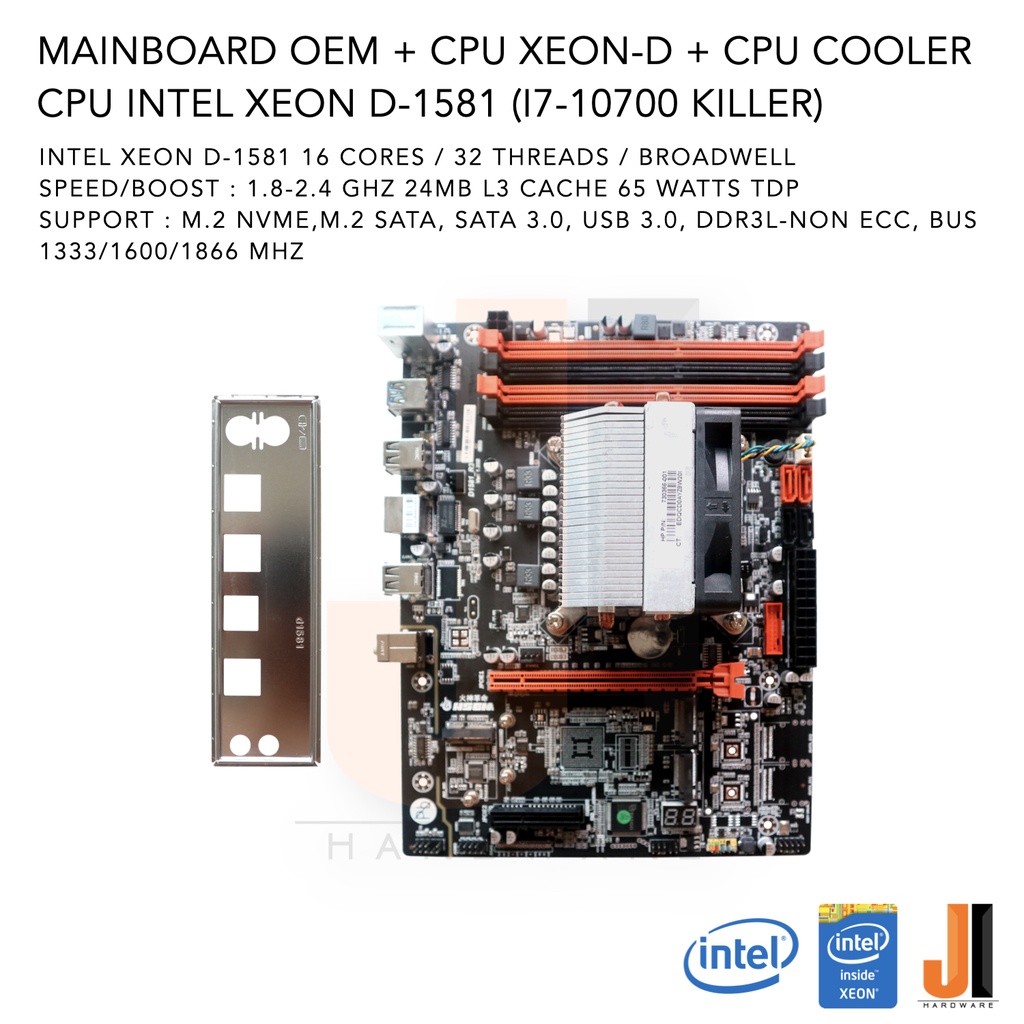
On paper, it really does look like a dream board for NAS, AIO, download boxes, or home labs.
But whether this kind of board is worth buying has less to do with the core count itself and more to do with whether the use case matches.
The Short Verdict
The strengths are easy to see:
- lots of cores
- integrated board+CPU is convenient
- expansion is usually better than many mini PCs
- very comfortable for lots of background services
The weaknesses are just as clear:
- the platform is old
- single-core performance is mediocre
- stability and compatibility depend a lot on the board itself
- many cheap listings are really just old-platform risk being resold
So this is good for people who like tinkering, not for people who like wishful thinking.
If you clearly want it for NAS, containers, or a lab host, it can be very appealing. If you want a cheap, low-maintenance main machine, it will probably disappoint you.
Why This Kind of Board Feels So Attractive
The reason is simple: it stacks together several things people love hearing.
- 16 cores and 32 threads
- multiple NICs and
PCIe - motherboard and CPU included together
- very low pricing after falling out of the server market
At the same price, a desktop platform may only get you an ordinary 4-core or 6-core chip, while this gives you 16 cores and 32 threads.
That is exactly why it is so tempting and also a little dangerous: what it really sells is thread count and I/O presence, not a complete user experience.
Strengths
1. It is genuinely comfortable for service-heavy use
This kind of board is best suited for:
NAS- Docker hosts
- download boxes
- home labs
- light to medium virtualization
It is not about one task being especially fast. It is about being able to keep many things running on one machine at the same time.
2. Expansion is better than many mini PCs
If you need to:
- add NICs
- add an HBA
- add storage adapter cards
- experiment with storage and networking layouts
then this kind of board is usually more interesting than a mini PC.
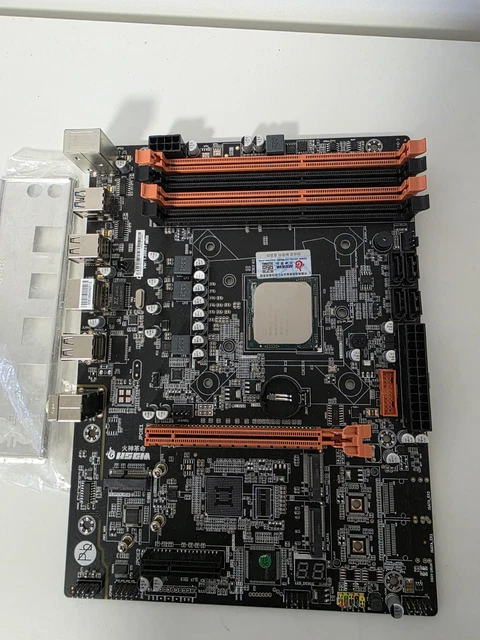
3. Integrated board+CPU makes setup faster
You do not need to match a separate CPU and motherboard, and there is less compatibility guessing.
For people who like old-platform tinkering, that is genuinely useful.
Weaknesses
1. The platform is old
This is the biggest starting point.
An old platform means weaker single-core performance, older interface standards, and no reason to expect modern power efficiency.
2. It is not a great front-end daily machine
16 cores and 32 threads sound powerful, but this kind of board behaves more like a background worker than a responsive daily desktop.
If you try to use it as a main desktop PC, the feel will usually not make you happy.
3. Cheap often comes with risk
The common problem is not simply whether it powers on. It is more about:
- mixed or unclear board origins
- unstable BIOS and compatibility
- possible pickiness with memory, NICs, or PCIe devices
- needing to verify long-term stability yourself
In plain terms, cheap does not mean low-maintenance.
4. Power use may not be as low as you imagine
A lot of people imagine this as “many threads, low power, great for 24/7 use.”
Reality is not that simple. Total system behavior depends heavily on board design, cooling, and how much hardware you hang off it.
Who It Fits Best
The best fit is pretty clear:
- people who want a low-cost
NAS - people building a home lab
- people who want to run many containers or services
- people who accept old platforms and do not mind troubleshooting
Who It Does Not Fit Well
It is a poor fit for people who:
- want a main desktop machine
- want a cheap but hassle-free system
- care a lot about power, noise, and support
- do not want to troubleshoot things themselves
Final Line
A Xeon D-1581 board like this is not impossible to buy. It is just only good value in the right use case.
If you want threads, I/O, expansion, and a long-running service machine, it has real appeal.
If you want a modern platform, strong single-core speed, low hassle, and a good main-machine experience, it probably is not for you.
The shortest conclusion is:
The upside is more threads, more ports, and more expansion. The downside is an old platform, mixed board quality, and more tinkering.